Compression socks are the rare nursing purchase with actual clinical trial data behind them: in a field study of real 12-hour standing shifts, regular socks left workers with measurable muscle fatigue, swelling and discomfort — and graduated compression socks blunted all three. Here’s the part the sock companies won’t put on the box: in that same study, the gentler 15-20 mmHg level did the job just as well as the firmer 20-30. You don’t need to suffer harder to benefit.
The market has also grown up since our last version — a wave of direct-to-consumer brands now designs specifically for healthcare workers. This 2026 update covers the best of them, the Amazon value plays, and when to skip all of it for medical-grade.
The Best Compression Socks for Nurses in 2026
- Comrad Knee-High — Best Overall
- Sockwell Circulator — Best Merino / Temperature Control
- Vim & Vigr — Best Variety & Wide Calf
- Physix Gear 20-30 — Best Budget Firm
- CHARMKING 8-Pack — Best Bulk Buy
- Wellow & Bombas — The DTC Comfort Camp
Comrad Knee-High – Best Compression Socks for Nurses
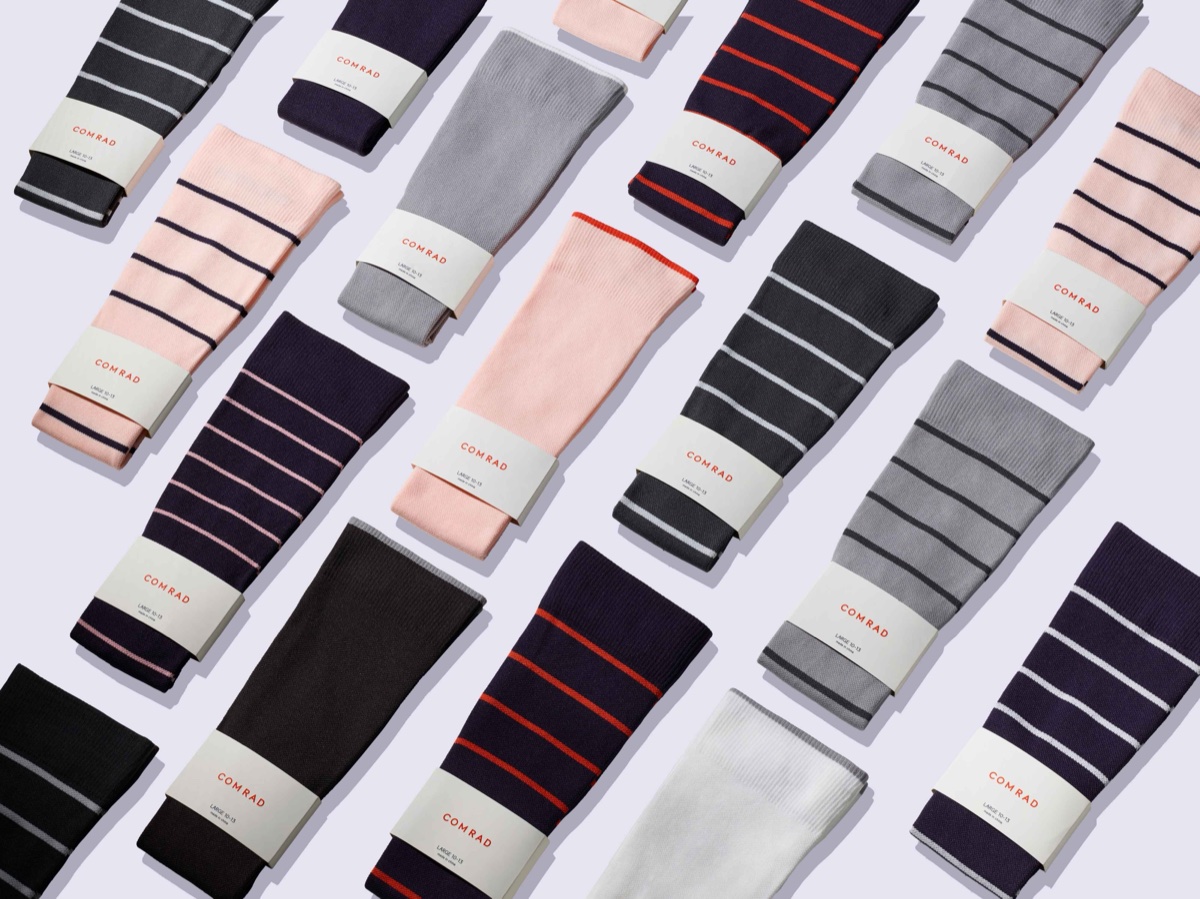
Comrad keeps winning the roundups that matter — best daily wear in a two-year, twenty-plus-sock test at one major outlet, a fixture of the nurse-focused lists — by solving the thing veterans complain about: compression socks that feel like a medical appliance. The CloudCotton blend feels like a favorite sock that happens to squeeze right, the graduated 15-20 mmHg matches what the trial evidence says a healthy nurse actually needs, and a genuine wide-calf line exists rather than an afterthought.
$30-40 a pair (three-packs soften the math). If you buy one “just tell me which” pair for shift work, buy this.
- The daily-wear consensus pick
- 15-20 mmHg — the evidence-backed level
- Real wide-calf sizing
- $30+ per pair
- Softer feel = replace yearly with heavy use
Sockwell Circulator – Best Merino Compression Socks
Twelve hours in synthetic compression is twelve hours of warm plastic feet; merino is the escape. Sockwell’s Circulator blends about a third merino with bamboo rayon for temperature regulation that synthetic-only socks can’t touch — warm ward in winter, sweaty summer commute, same sock. Nurse-focused guides call the brand a healthcare-professional favorite, it runs a dedicated nurses’ collection, and a firmer 20-30 line exists for those who need it.
Around $33. Wool-sensitive readers: the merino is soft-grade, but the CHARMKING nylon below is your safer bet.
- Merino temperature control, all seasons
- Healthcare-community favorite
- Wide-calf option
- Hand-wash-preferred care
- Wool isn’t for everyone
Vim & Vigr – Best Variety and Wide-Calf Sizing
Vim & Vigr’s catalog reads like a compression boutique: cotton, merino, sheer and moisture-wicking nylon; 15-20, 20-30 and prescription-grade 30-40; patterns that pass as regular dress socks — and, crucially, wide-calf variants across every size rather than one token SKU. It’s the brand for the nurse who wants compression that matches actual legs and actual style preferences.
Around $38 a pair. The merino wide-calf on Amazon is the sweet spot for shift work.
- Widest range of materials and levels
- Wide-calf in every size
- Looks like socks, not equipment
- Premium pricing
- Choice overload is real
Physix Gear 20-30 – Best Budget Firm Compression
The Amazon institution: under $20, tens of thousands of ratings, and the sock most often name-checked by working nurses in the budget tier. This is a true firm 20-30 mmHg — testers rank it the most compressive of the mainstream picks — and owners report it surviving hundreds of washes with the squeeze intact.
Two honest notes: firm compression is genuinely harder to pull on (every brand, physics), and the evidence says most healthy nurses don’t need 20-30 for shift fatigue — this is the pick if you already know you like firm, have notable end-of-shift swelling, or your clinician suggested more support. Cuffs run snug; no true wide-calf line.
- True firm 20-30 under $20
- Survives industrial laundry habits
- The budget-tier community favorite
- Hard to don, like all firm socks
- Snug cuffs; no wide-calf option
CHARMKING 8-Pack – Best Bulk Buy
Eight pairs for roughly the price of one premium pair — about $27 — at the evidence-backed 15-20 mmHg level, in enough colors to match a scrub wardrobe. Are they Comrad-soft? No. Do they deliver graduated squeeze, survive the dryer you’ll inevitably put them in, and solve the eternal where-did-my-sock-go problem by brute force? Completely.
The right answer for nursing students, travel nurses living out of a duffel, and anyone who treats socks as consumables — which, on hospital laundry cycles, they are.
- ~$3.40 per pair
- Correct 15-20 graduated level
- Loss-proof by quantity
- Thin synthetic feel
- Sizing runs approximate
Wellow & Bombas – The Comfort-First Camp
Two more DTC names earn their mentions. Wellow (from $30, direct) built its following on an unusual 18-25 mmHg level and bamboo-derived fabric that slides on easily — the repeated verdict is “easiest on-off in compression,” and its wide-calf fit draws specific praise; the trade-offs are warmth in summer and softening after many washes. Bombas ($30ish, direct) brings its famous comfort engineering — seamless toes, honeycomb arch — to a gentle everyday 15-20, the pick for nurses who want the compression to disappear entirely. Both sell mainly through their own sites, which is the only reason they’re not headlining the Amazon-linked list above.
How Much Compression Do You Actually Need?
The short version of the evidence and clinical guidance: 15-20 mmHg graduated is the default for a healthy nurse on 12-hour shifts — in head-to-head trials on prolonged standing it matched 20-30 for fatigue, swelling and discomfort. Go 20-30 for pronounced end-of-shift edema, early varicose veins, pregnancy swelling, or on a clinician’s advice. Anything 30-40 is prescription territory. And more isn’t better: compression you don’t need is just circulation you’re fighting.
One more distinction worth knowing: for actual venous disease, DVT history or post-surgical wear, skip the lifestyle brands and get fitted medical-grade — Jobst, Sigvaris and Mediven are the names vascular clinics use, and correct fit matters more than fabric there.
Conclusion
- One great pair: Comrad. Temperature control: Sockwell merino.
- Real legs, real choices: Vim & Vigr (wide calf everywhere).
- Firm on a budget: Physix Gear. A drawer-full: CHARMKING.
- Medical needs: fitted Jobst/Sigvaris/Mediven, not a subscription box.
Put them on before the shift, not after your legs complain — graduated compression prevents the swelling far better than it rescues it. Your 7 p.m. self will notice.